

Knee soreness and joint stiffness are becoming increasingly common in Malaysia. Whether its from long hours at a desk, an active lifestyle, or simply the passing of years, that tight, uncomfortable feeling in your knees can quietly eat into your day.
The good news: you dont have to reach for painkillers every time the discomfort shows up. There are plenty of simple, natural practices you can build into your daily routine to help ease tension and support overall joint comfort.
At GlowKL, we believe natural and traditional approaches still hold real value — especially when combined with healthy daily habits. Here are 7 easy tips you can start with today.
What Can Cause Knee & Joint Discomfort?
Before we get into the tips, lets look at what commonly contributes to that not-so-comfortable feeling in your knees and joints:
- Repetitive activity — long hours standing, climbing stairs, or working out without proper warm-up.
- Extra body weight — every additional kilo puts more load on your knee joints.
- Poor posture — sitting in awkward positions in front of a computer for hours.
- Lack of movement — joints that arent moved regularly become stiff and less flexible.
- Natural ageing — gradual changes to joint tissues and muscle elasticity over time.
Everyone experiences this differently. What matters is paying attention to your body and taking small, proactive steps to look after it.
7 Natural Tips You Can Try at Home
1. Gentle Stretching Every Morning
Begin your day with 5–10 minutes of light stretching. Focus on your thighs, calves, and the muscles around your knees. Slow movements like knee circles or a gentle hamstring stretch can help improve blood flow to the area and ease that early-morning stiffness.
Dont force a stretch if it feels uncomfortable — back off and try again the next day. Consistency matters more than intensity.
2. Warm Baths with Epsom Salt
Soaking your feet or your whole body in warm water for 15–20 minutes can help your muscles feel more relaxed. Add a cup of Epsom salt (magnesium sulfate) to the bath for an even more soothing experience.
This is a traditional practice that has been used around the world for generations to support muscle relaxation after a long day.
3. Apply a Topical Essential Oil Blend
Natural essential oils have been used traditionally across many cultures to bring a fresh, calming feel when applied to tense muscles or tight joints.
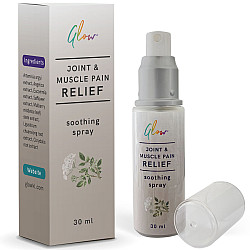
For everyday convenience, try our Glow Organic Joint & Muscle Soothing Spray — a blend of extracts from 7 natural plants in an easy-to-use spray. Just mist it onto the area that feels tight, massage in gently, and let the botanical blend do its work.
Choose products with pure ingredients and no harsh chemicals so your skin stays happy with daily use.
4. Food Choices That Support Joint Wellness
Your diet plays a big part in long-term joint comfort. Try including the following in your regular meals:
- Fatty fish like salmon and sardines — rich in omega-3 fatty acids.
- Leafy greens like kale and spinach.
- Nuts and seeds — natural sources of magnesium and vitamin E.
- Berries — packed with antioxidants.
- Ginger and turmeric — traditional spices used widely in Asian cooking.
5. Stay Properly Hydrated
The tissues around your joints need adequate fluid to function smoothly. Aim for at least 8 glasses of water a day — more if youre active or its a hot day. Dehydration can contribute to stiffness and discomfort.
6. Quality Sleep
Your body does important repair work while you sleep. Aim for 7–9 hours each night, and try to avoid sleeping positions that put pressure on your knees or hips. A pillow between your knees (if youre a side sleeper) can help maintain a more neutral position.
7. Consistent Low-Impact Activity
Not every workout is suitable when your knees feel tender — but movement is still important. Joint-friendly low-impact activities include:
- Walking on flat surfaces
- Swimming or water aerobics
- Casual cycling
- Yoga or Tai Chi
Start slow, listen to your body, and only increase intensity when you feel comfortable.
When to See a Healthcare Professional
Natural tips complement a healthy lifestyle — theyre not a replacement for professional medical advice. Please see a doctor or physiotherapist if you experience:
- Knee or joint discomfort that lasts more than 2 weeks
- Noticeable swelling or skin colour changes
- Fever accompanied by joint pain
- Inability to put weight on your leg
- Injury from a fall or strong impact
Q: Can I use a topical essential oil blend on sensitive skin?
Always do a patch test before first use — apply a small amount to the inside of your wrist and wait 24 hours. If theres no reaction, its safe to use on larger areas.
Q: How often can I use a topical spray?
For most natural blends, 2–3 times a day is a typical guideline. Always check the instructions on the product label.
Q: Are these tips suitable for older adults?
These tips are generally suitable for a range of ages, but older adults or anyone with specific health conditions should check with their doctor before starting new practices.
Q: Can I combine several tips at once?
Yes — in fact, combining several tips usually gives better results. A morning stretch, a topical spray after exercise, and a balanced diet is a great place to start.
Start Today
Looking after your joints and muscles isnt a one-time event — its a daily practice. Pick one or two of the tips above that feel easiest to start with, and add the rest gradually. Within a few weeks, youll notice the difference.
For a convenient natural essential oil spray you can take anywhere, see our Glow Organic Joint & Muscle Soothing Spray — formulated in Malaysia with extracts from 7 plants and no harsh chemicals.
Disclaimer: The information in this article is for general information and awareness only. It is not medical advice and should not be used as a substitute for consultation with a qualified doctor. If you experience prolonged or severe discomfort, please see a healthcare professional.
Related Products
Leave a Comment